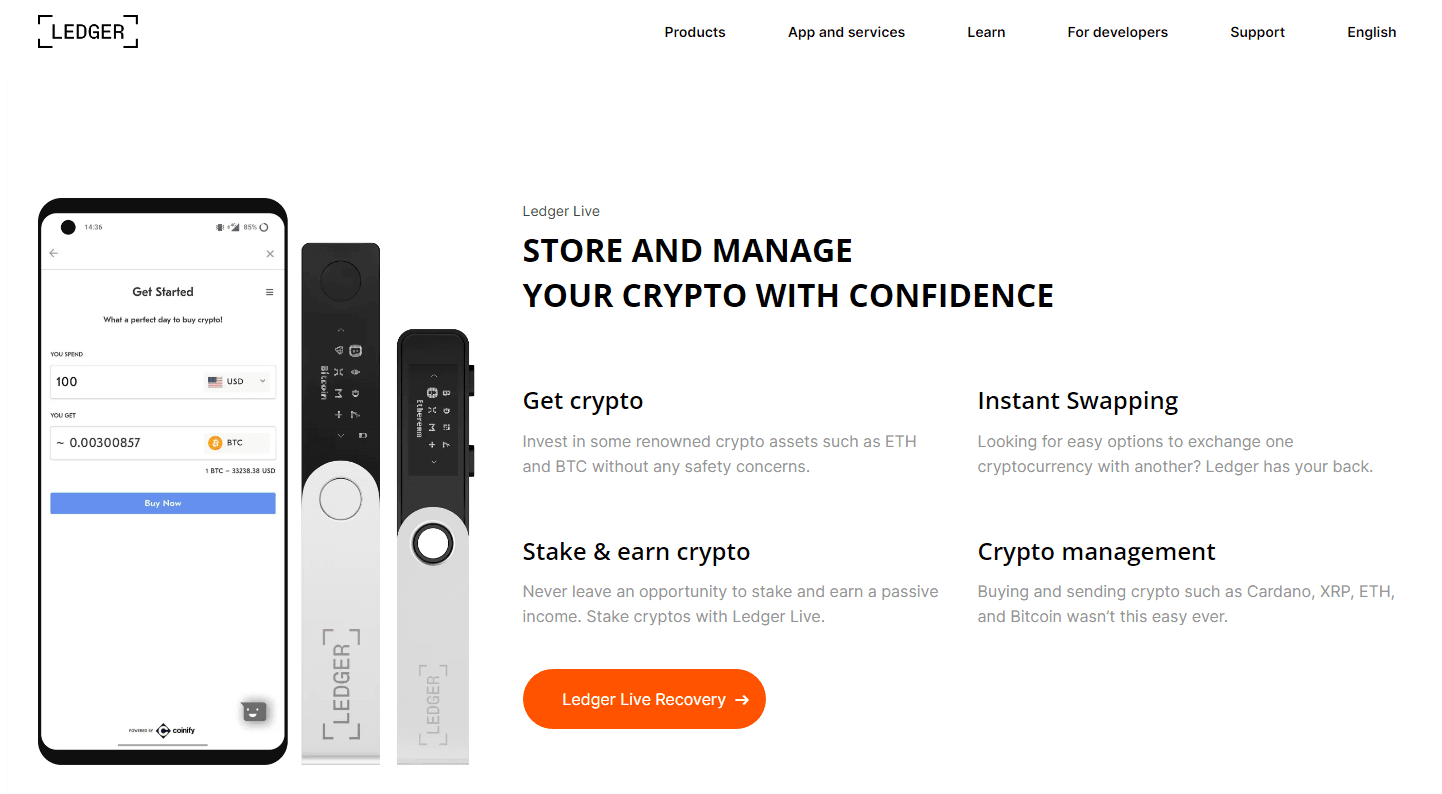
Ledger.com/start – Your Official Guide to Setting Up a Ledger Hardware Wallet
Getting started with a Ledger hardware wallet is one of the most secure ways to protect your cryptocurrency. Ledger devices store your private keys offline, keeping your digital assets safe from online threats, malware, and unauthorized access. If you’re new to Ledger or preparing to set up your device for the first time, Ledger.com/start is the official setup portal that guides you through the entire process.
This complete guide explains what Ledger.com/start is, how the setup works, what you need to prepare, the steps involved, common issues, and best practices for long-term security.
What Is Ledger.com/start?
Ledger.com/start is the official setup page created by Ledger for new and existing users. It provides instructions, downloads, safety guidelines, and the correct tools to initialize and manage a Ledger hardware wallet. The page is specifically designed to help users:
Set up Ledger Nano S Plus or Ledger Nano X
Download Ledger Live, the management application
Create a new wallet with a recovery phrase
Understand security basics
Learn how to transfer and manage cryptocurrencies
Using Ledger.com/start ensures that you follow the proper steps with authentic software and verified instructions.
Why Use Ledger Hardware Wallets?
Cryptocurrency stored on centralized exchanges or online wallets can be vulnerable to hacking. Ledger provides a safer alternative by storing the private keys offline in a secure chip. Some reasons users prefer Ledger devices include:
Offline protection: Keys never touch the internet.
Secure chip technology: Built with certified, tamper-resistant hardware.
User-controlled assets: No third party has access to your funds.
Compatibility with major cryptocurrencies: Supports thousands of coins and tokens.
Easy management with Ledger Live: Simple interface to send, receive, and monitor crypto.
For beginners and advanced users alike, Ledger is known for combining powerful security with ease of use.
Preparing for Setup Through Ledger.com/start
Before you begin the setup process, make sure you have the following:
A Ledger Nano S Plus or Ledger Nano X
A computer or smartphone compatible with Ledger Live
A secure internet connection
A pen and paper for your recovery phrase
The original box and cable from Ledger
Avoid using public Wi-Fi and ensure that your Ledger device was purchased from an official retailer.
Step-by-Step Ledger Wallet Setup Using Ledger.com/start
Setting up your Ledger device is simple when you follow the official steps.
Step 1: Visit Ledger.com/start
Go to the website using your browser. The page will provide the correct version of Ledger Live to download depending on your operating system (Windows, macOS, Linux, iOS, or Android).
Step 2: Download Ledger Live
Ledger Live is the main app you will use to:
Add crypto accounts
Track your portfolio
Send and receive crypto
Update firmware
Install apps on your Ledger device
Download only from Ledger.com/start to avoid counterfeit applications.
Step 3: Install and Open Ledger Live
Once installed, launch the app and choose “Set up a new device.” Ledger Live will ask which model you are using and provide on-screen instructions.
Step 4: Initialize Your Ledger Device
Connect your Ledger device using the USB cable or Bluetooth (only for Nano X). On the device screen, you’ll see the steps to begin setup.
During initialization, you will:
Choose a PIN code
Confirm your PIN
Receive a recovery phrase
Step 5: Write Down Your Recovery Phrase
Your device will generate a 24-word recovery phrase. This is the most important part of the setup.
Write the words down in the exact order. Store the paper offline in a safe, private location. Never take a photo or type the words on any online device.
The recovery phrase is the only way to restore your wallet if your device is lost, damaged, or stolen.
Step 6: Confirm the Recovery Phrase
The device will ask you to confirm specific words from your phrase to ensure you copied it correctly.
Step 7: Install Apps and Add Accounts
After setup, Ledger Live will allow you to install blockchain apps such as Bitcoin or Ethereum. Each app corresponds to a specific crypto network.
You can then add crypto accounts, which allows you to send, receive, and monitor your assets.
Security Features You Gain Through Ledger.com/start Setup
Once your device and Ledger Live are set up, you benefit from Ledger’s built-in protections:
Offline private key storage
PIN protection to prevent unauthorized access
Secure Element chip (CC EAL5+ certified)
Firmware verification to ensure device authenticity
Transaction confirmation directly on the device
Recovery phrase-based backup
These layers ensure that even if a computer or phone gets infected, your crypto remains safe.
Common Issues and Solutions
Here are some problems users sometimes face and how to fix them:
Device not detected
Try another cable, USB port, or restart your computer.Ledger Live not opening
Update to the latest version or reinstall the software.PIN forgotten
Reset your device and restore it using your 24-word recovery phrase.Incorrect words in recovery phrase
Double-check the order and handwriting, as one incorrect word may prevent recovery.
Safety Tips for Long-Term Crypto Protection
To maximize your security, follow these best practices:
Do not share your recovery phrase with anyone.
Never type your recovery phrase into any website or app.
Keep your Ledger device firmware and Ledger Live updated.
Use a strong PIN that cannot be guessed easily.
Store your recovery phrase offline in a secure location.
Avoid connecting your wallet to untrusted computers.
These habits ensure your digital assets remain protected at all times.
Conclusion
Ledger.com/start is the official and safest gateway for setting up your Ledger hardware wallet. By following the guided instructions, downloading Ledger Live, and securing your recovery phrase, you gain full control over your digital assets with industry-leading protection. Whether you’re storing, sending, or managing cryptocurrency, Ledger provides the security foundation needed for long-term safety in the digital world.